Ergonomic Spades for Heavy Soil
Mastering the foundation of your garden requires implements of uncompromising strength.
Soil is not merely dirt; it is a living, breathing ecosystem. How we interact with it—how we turn it, aerate it, and fold in organic matter—dictates the success of the entire growing season. For those battling heavy clay or dense, compacted earth, the right spade is the difference between a joyful afternoon and a ruined back.
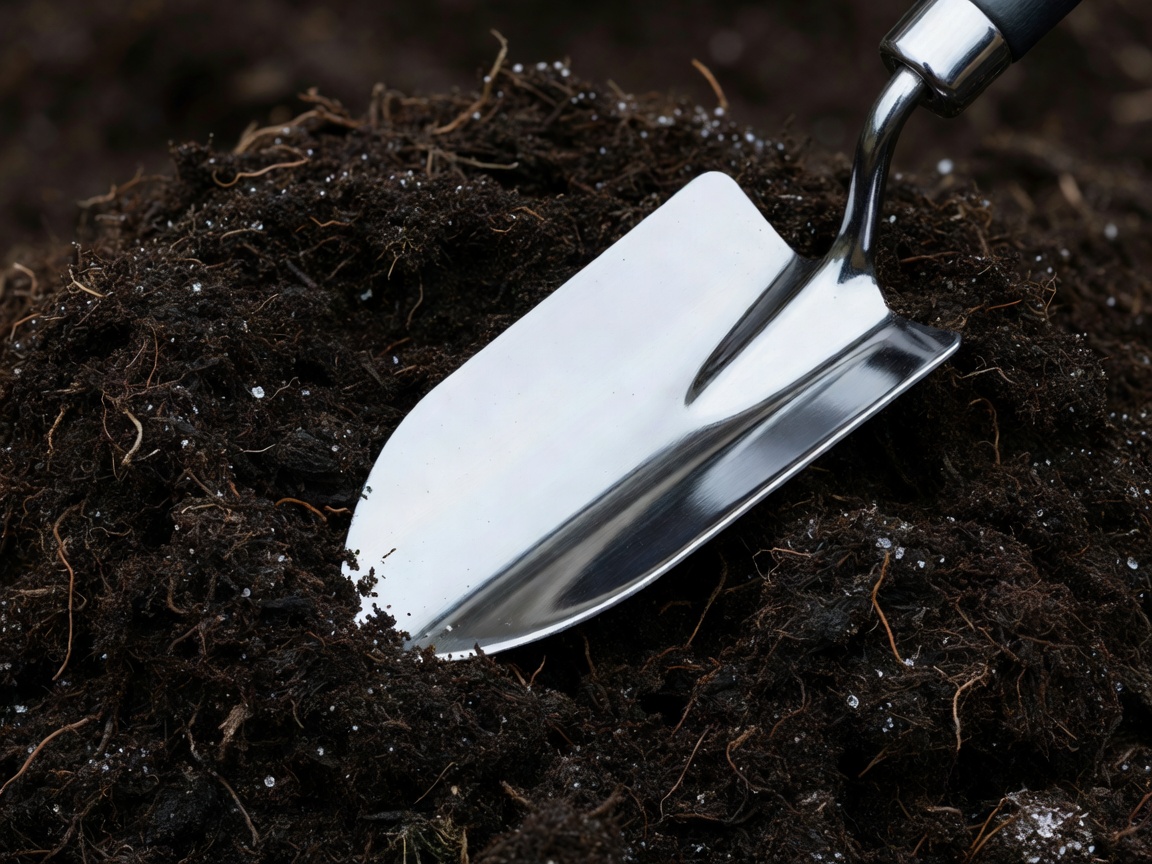
The Anatomy of a Digging Spade
A true digging spade should ideally be forged from a single piece of carbon steel. Welded joints are inherent weak points that will eventually snap under the leverage required to pry a stubborn root ball. Look for folded steps on the top edge of the blade; these distribute the force of your boot, preventing damage to your footwear and maximizing downward thrust.
Forks vs. Spades
-
The Digging Fork
Essential for heavy clay. Where a solid spade blade will encounter massive suction and resistance in wet clay, the tines of a fork slice through effortlessly, allowing you to lift and shatter clods without destroying the soil structure.
-
The Broadfork
The ultimate tool for deep aeration. Standing upon the crossbar and using body weight to drive the long tines deeply into the earth, the gardener leans back to lift the soil slightly, creating air channels without disrupting the microscopic soil food web.